
How do you develop a VR game that works at a medical congress?
How do you develop a VR game that works at a medical congress?
Date
July 25, 2026
An Apple A Day developed a VR game around thrombosis prevention for a Swiss client, presented at the GTH congress in Lausanne. From idea to experience: here's what goes into it.
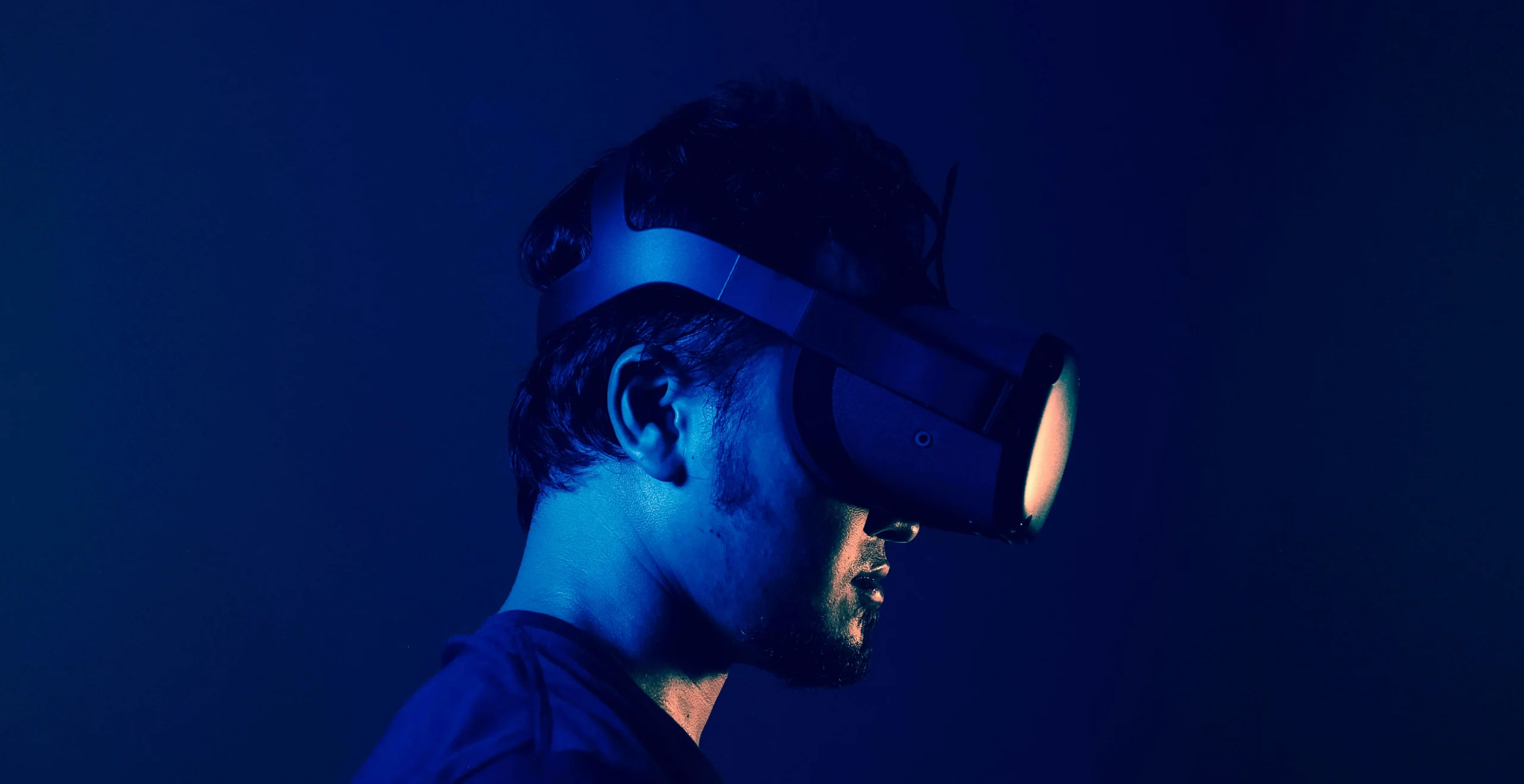
A medical topic often stays abstract. Especially a risk you can't see, like thrombosis. A VR game suddenly makes a topic like that tangible. At the GTH congress in Lausanne, visitors traveled through the human blood vessels and saw thrombosis from the inside. For many visitors, it was their first VR experience. "This is really amazing to experience. Something completely different."
An experience like that doesn't happen by itself. These are the principles that made the difference for us.
Start with the message, not the technology
VR is a tool, not a goal. The brief was awareness for thrombosis prevention. Only once that message was sharp did we determine which experience would convey it most powerfully. The journey through the blood vessels grew out of the topic itself.
Make sure it's medically and anatomically accurate
Your audience consists of healthcare professionals. They'll spot a flawed model immediately. The anatomy, the physiology, and the depiction of the condition need to be correct, otherwise you lose exactly the audience you want to convince. Medical accuracy is the foundation everything else rests on.
Work with a good builder, and brief them precisely
The technology makes or breaks the result. Choose a builder with experience and invest upfront in a clear brief: the message, the audience, the medical content, the desired experience, and the constraints. The sharper the brief, the fewer correction rounds, and the stronger the end result.
Design against motion sickness
VR can make people feel sick, and that's exactly what you want to avoid. Not just because it undermines the experience, but also because your visitor still has a whole congress day ahead of them afterward. Keep movements calm, avoid abrupt camera cuts and rapid acceleration, and test extensively. A game that feels smooth leaves a good impression that carries through the rest of the day.
Keep it short
A congress is a busy environment with short attention spans and queues at the booth. A compact experience of a few minutes works better than a long one. Short and punchy also means more visitors get a turn.
Build in a game element
A game becomes more fun when there's something to win. A score, a leaderboard, or friendly competition makes it interactive and creates buzz at the booth. That draws in new visitors and keeps the conversation lively.
Station a technician or host at the booth
VR is new to a lot of people. Someone who fits the headset, gives instructions, and watches along lowers the threshold and keeps everything running smoothly technically. That guidance makes the difference between a hesitant visitor and an enthusiastic participant.
Connect it to a call to action
The experience is the start of a conversation, not the end. Close with a clear next step: a conversation with the client, more information, or a hook to keep the conversation going. That's how the experience translates into real engagement.
Build it into the concept and brand style
The game doesn't stand on its own. A custom-designed round booth, in the style of the concept and the client, drew attention and gave the experience a home. Concept, booth, and game tell the same story.
Think about responsibility
A medical congress calls for a responsible presence. The booth was built with an eye on sustainability and lower emissions, and we traveled to Lausanne by train. That fits a message about health.
That's how sharing medical knowledge becomes effective, surprising, and responsible.
More stories

Frequently asked questions
For a Swiss client in life sciences, as part of an awareness concept around thrombosis prevention.
An accurate medical foundation, an experienced builder with a sharp brief, attention to motion sickness, a short play time, a game element, on-site guidance, and a clear call to action.
It makes an invisible risk tangible. Experiencing something works stronger than reading about it, which helps the message stick better.
Keep movements calm, avoid abrupt camera cuts and rapid acceleration, keep the experience short, and test extensively with real users.
Short. A few minutes works best, keeping the threshold low so more visitors get a turn.

Contact us
We specialise in translating complex products into messages that truly land. We make the clinical human, the technical tangible, and the abstract recognisable.