

Brand archetypes and other models: which model do you choose for your positioning?
Brand archetypes and other models: which model do you choose for your positioning?
Date
August 6, 2026
There are many models for positioning a brand. Archetypes, the Golden Circle, a positioning canvas. Which model do you pick when, and for what?
Positioning a brand starts with the right question, and with the right tool. There are quite a few models out there, and they don't all do the same thing. One helps you find your brand's personality, another your distinction from competitors. Whoever mixes them up ends up with a brand that never gets genuinely sharp anywhere. Here's how to choose.
Brand archetypes: for your brand's personality
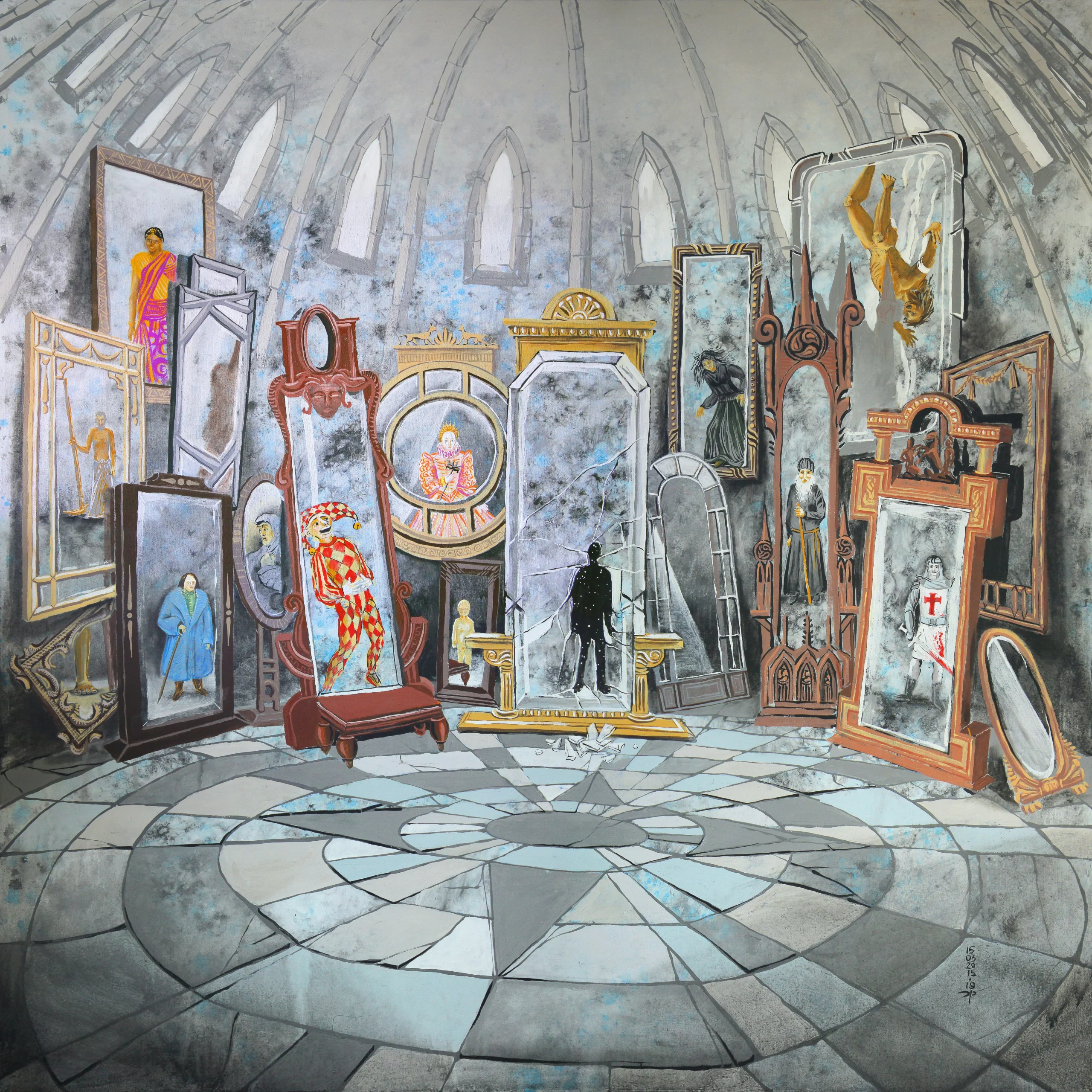
The model of the twelve brand archetypes, based on the work of Jung and later Pearson and Mark, reduces a brand's personality to recognizable characters: the Hero, the Magician, the Caregiver, the Explorer, and so on. Each archetype carries its own motivation, tone, and behavior.
You use archetypes when you want to determine how your brand feels and sounds. They give a shared language that lets everyone in the organization project the same personality, from marketing to sales. Important: an archetype doesn't replace your positioning, it brings it to life. And you're not required to stick to exactly one. A strong brand often combines a dominant archetype with a secondary one, as long as they reinforce rather than contradict each other.
The Golden Circle: for your why
Simon Sinek's model works from the inside out: why, how, what. It helps you find your brand's deeper reason, the purpose beyond the product.
You reach for the Golden Circle when your brand knows what it does, but hasn't yet sharpened its inspiration. For tech companies, it's often exactly the right model, because they tend to communicate from their technology or product. The Golden Circle pulls them out of that and brings them back to their why: the reason they exist and the problem they want to solve. Strong for building a brand story, less suited to sharpening your distinction from competitors down to the wire.
A positioning canvas: for your distinction
Models such as the positioning canvas look at the market: what are the customer's alternatives, what makes you unique, what value does that deliver, and for whom does that value matter most. It forces you to choose a category and a target audience.
You use this when the question is about differentiation, especially in a crowded or business market. It exposes where you're genuinely different, and prevents you from sinking into a story that's for everyone and therefore for no one.
How to choose
Start with your question. Want to know how your brand feels and sounds? Reach for archetypes. Looking for the inspiration and the story? Use the Golden Circle. Is it about distinction in the market? Choose a positioning canvas. In practice, you often combine them: first sharpen your distinction and your why, then the personality that carries it. The models aren't a goal, but a means to arrive at a brand that's coherent from the inside out and connects with your target audience.
More stories







Frequently asked questions
Twelve recognizable characters, based on the work of Jung and later Pearson and Mark, that describe a brand's personality. Think of the Hero, the Magician, or the Caregiver, each with its own motivation and tone.
Yes. A dominant archetype with a secondary one works well, as long as they reinforce each other. The Hero and the Magician together, for example, give both result-orientation and transformation.
Archetypes determine your brand's personality, the Golden Circle helps you find your why. The first is about how you sound, the second about why you exist.
Because tech companies often communicate from their technology or product. The Golden Circle pulls them out of that and brings them back to their why, which makes the story more human and more convincing.
A positioning canvas. That looks at the customer's alternatives, your unique value, and the target audience that cares about it most.
No. An archetype brings your positioning to life, but doesn't determine it. Without a sharp strategy underneath, it stays an empty costume.

Contact us
We specialise in translating complex products into messages that truly land. We make the clinical human, the technical tangible, and the abstract recognisable.